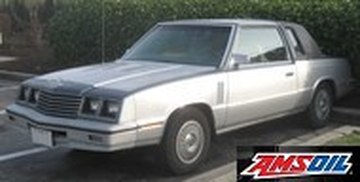
Engine Oil Maintenance for the 1983 Dodge 600 2.6L
Maintaining the lubrication system is one of the most critical aspects of preserving the longevity and operational integrity of your vehicle's engine. For owners of a 1983 Dodge 600 equipped with the 2.6L engine, consistent attention to oil health ensures that internal components remain properly lubricated and protected from unnecessary wear.
How often should I change the oil in my 1983 Dodge 600 2.6L?
To determine the correct interval for an oil change, you should follow the owner's manual or the manufacturer maintenance schedule provided for your specific vehicle. Do not rely on generalized estimates, as the manufacturer provides the most accurate guidance for your engine's requirements.
Understanding Engine Oil Viscosity
Viscosity refers to a fluid's resistance to flow. In an internal combustion engine, the oil must be thin enough to circulate quickly during a cold start but thick enough to maintain a protective film between moving parts once the engine reaches operating temperature. For this 1983 Dodge 600 2.6L, the database allows for the use of 10W-30 viscosity.
Using the correct viscosity helps ensure that oil reaches critical components, such as camshafts and bearings, within seconds of ignition. If an oil is too thick, it may not flow adequately in colder temperatures; if it is too thin, it may fail to provide a sufficient barrier between metal surfaces under high heat or load.
The Role of the Oil Filter
While changing the oil is essential, the oil filter plays an equally important role in engine health. The filter is designed to capture contaminants such as microscopic metal shavings, carbon deposits, and dust that enter the lubrication system during operation. Over time, a filter can become saturated with these particles.
A clogged or inefficient filter can restrict oil flow or allow unfiltered oil to bypass the filtration media, potentially allowing debris to circulate through the engine. It is standard maintenance practice to replace the oil filter every time the engine oil is changed to ensure the system remains clean and free of obstructions.
Monitoring Oil Levels Regularly
Relying solely on scheduled maintenance intervals is not enough for optimal engine care. It is a practical habit to check the engine oil level using the dipstick frequently. Low oil levels can lead to increased friction, overheating, and eventual component failure due to insufficient lubrication.
When checking the oil, ensure the vehicle is parked on a level surface. Wipe the dipstick clean, reinsert it fully, and pull it out again to read the level against the markings. If the level is consistently low between service intervals, it may indicate an internal leak or an external seal issue that requires professional inspection.
Identifying Potential Oil Contamination
The appearance and smell of your engine oil can provide useful information about the health of your 2.6L engine. Fresh oil has a specific color and consistency, but as it ages, it will darken due to the accumulation of combustion byproducts and soot.
- Milky or Cloudy Appearance: If the oil looks like a light-colored emulsion or "milkshake," this can be an indication that coolant is mixing with the oil, which often points to a head gasket or internal seal issue.
- Strong Fuel Odor: An overwhelming smell of gasoline in the oil may suggest that fuel is leaking past piston rings into the crankcase, which can thin the oil and reduce its lubricating effectiveness.
- Excessive Grit: While some darkening is normal, feeling significant grit or particles when wiping the dipstick can indicate internal component wear.
Maintaining a Clean Engine Environment
External cleanliness can assist in monitoring the health of your Dodge 600. An engine that is covered in heavy grime and grease can hide slow oil leaks from gaskets, seals, or the oil pan. By keeping the engine bay relatively clean, you can more easily spot fresh oil weeping from various connection points.
Regularly inspecting the area around the oil filter housing and the valve cover can help identify leaks before they become significant issues. Addressing small leaks early prevents oil loss and protects other engine components from being coated in oily residue.
BUYING ENGINE OIL
When you are ready to purchase lubrication for your vehicle, ensure you select a product that meets the requirements of your 1983 Dodge 600. Focus on finding an oil that matches the 10W-30 viscosity listed for this application. Check the packaging to confirm it is appropriate for the engine type and follow any specific instructions provided by the oil manufacturer regarding application and storage.